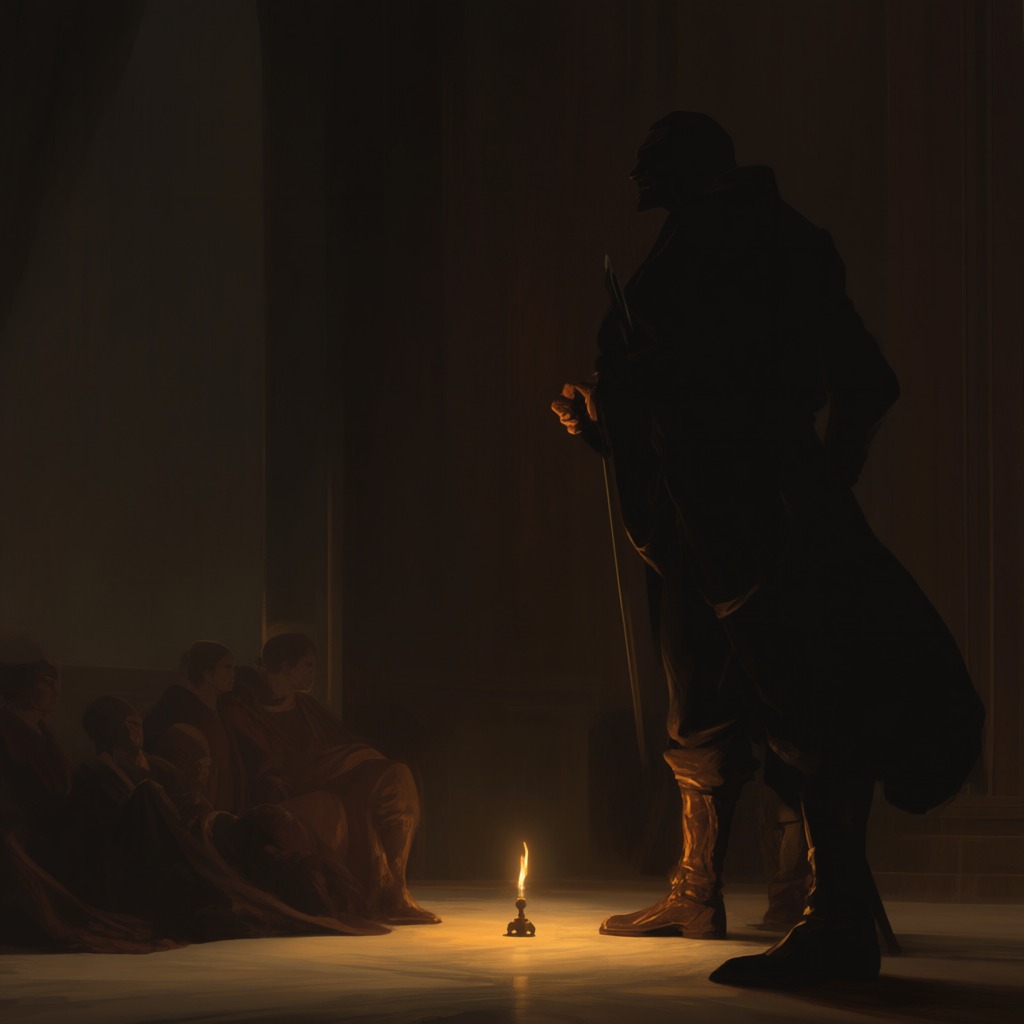
Mother Superior Marie-Therese
Mother Superior Marie-Therese is the head of the Sisters of St. Joseph convent in Carriveau, a woman of profound faith and practical courage who becomes Vianne Mauriac's most trusted confidante and a crucial ally in the resistance against the Nazi occupation. She first appears in Vianne's life long before the war, having comforted the sixteen-year-old Vianne when she was pregnant and disowned by her father, and it is to Mother that Vianne turns again and again when the war forces impossible choices upon her.
Identity and Role
Mother Superior Marie-Therese presides over the convent of the Sisters of St. Joseph, which runs both an orphanage and a school adjacent to the Chapel of St. Jeanne on the edge of Carriveau. She has known Vianne since the girl was sixteen and pregnant, when Vianne's father called her a disgrace; it was Mother who comforted her, planned a rushed wedding, talked Julien Rossignol into letting Vianne and Antoine have Le Jardin, and promised Vianne that a child was always a miracle and that young love could endure. This long history establishes her as the one person in Carriveau to whom Vianne can confess her deepest fears and failures without judgment.
Spiritual Guidance and Moral Counsel
When Vianne comes to the church after giving Captain Beck the list of Jewish and communist teachers—a decision that leads to Rachel de Champlain's firing and, ultimately, her deportation—Mother Superior is the only person Vianne can bring herself to tell. Vianne confesses, "That makes me the fool Isabelle calls me, doesn't it?" and Mother responds not with condemnation but with perspective: "You are no fool, Vianne. And your sister is quick to judge." She tells Vianne that the Nazis would have found the names without her help, but then delivers the deeper lesson: "I think, as this war goes on, we will all have to look more deeply. These questions are not about them, but about us." When Vianne protests that she doesn't know what to do anymore, that the Wehrmacht and Gestapo are more than she can handle, Mother tells her, "Don't think about who they are. Think about who you are and what sacrifices you can live with and what will break you." She warns that Isabelle will have her own crisis of faith, as will everyone, and that the hardships are just beginning. "You must stay strong," she says, but when Vianne asks if that means believing in God, Mother answers, "Yes, of course, but not only by believing in God. Prayers and faith will not be enough, I'm afraid. The path of righteousness is often dangerous. Get ready, Vianne. This is only your first test. Learn from it."
Partnership in Resistance
Mother Superior's role deepens from spiritual advisor to active resister when Vianne brings the orphaned Jewish boy Jean Georges Ruelle to the convent after his mother is deported. Vianne asks if the convent can hide him, and Mother's response reveals both her courage and her strategic thinking. She says, "A child in our care needs papers. Baptismal certificates—I can get those, of course, but identity papers…" When Vianne promises to obtain them, Mother agrees to take the boy and then immediately expands the mission: "I could make room for more than one Jewish child." She tells Vianne about the Œuvre de Secours aux Enfants—the Help the Children Fund—and a man in Girot who knows families and children in hiding. "I will tell him to expect you," she says, and when Vianne protests, "M-me?" Mother answers, "You are the leader of this now, and if we are risking our lives for one child, we may as well try to save more." She arranges for Vianne to work as a part-time teacher at the orphanage, providing cover for her presence and a small stipend. When Vianne asks how she can possibly go to scared, hungry women and ask them to give her their children, Mother tells her, "You will ask them if they've seen their friends being herded onto trains and taken away. You will ask them what they would risk to keep their child off of that train. Then you will let each mother decide."
Thematic Significance
Mother Superior Marie-Therese embodies the novel's central argument that faith, to be meaningful, must be translated into action—even when that action is dangerous and illegal. She represents the institutional Church's potential for moral courage at a time when the Vatican remained largely silent on the deportation of Jews. Her partnership with Vianne demonstrates that resistance takes many forms, and that the work of saving lives is as sacred as any prayer. When Vianne confesses her guilt over the list of names, Mother does not absolve her but instead challenges her to learn from the mistake and become stronger. She is the figure who sees Vianne's potential for heroism before Vianne sees it herself, telling her, "You're not alone, and you're not the one in charge. Ask for help when you need it, and give help when you can. I think that is how we serve God—and each other and ourselves—in times as dark as these."